


Sugar Glider Lifespan: How Long Do Sugar Gliders Live as Pets? (India Guide 2026)

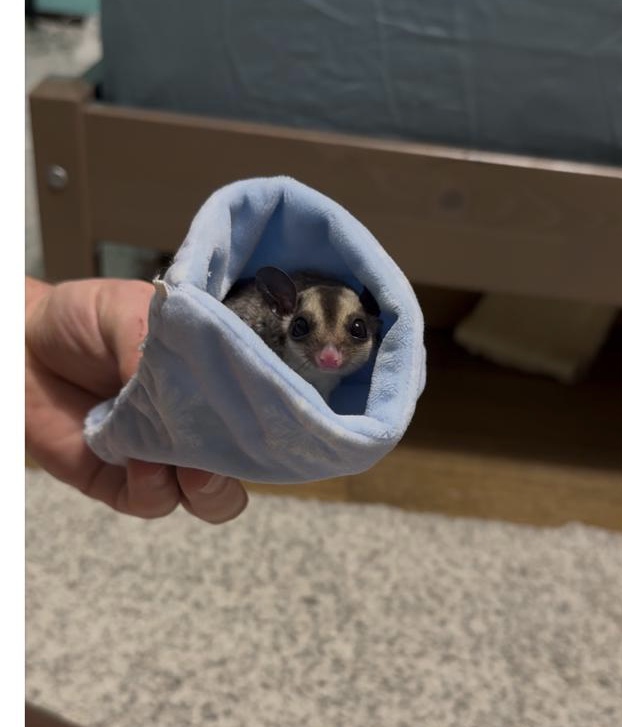
Quick Answer: How Long Do Sugar Gliders Live?
The average sugar glider lifespan as a pet is 10 to 14 years with good care, and some reach 15 or more. In the wild, they typically live only about 4 to 5 years, with a few reaching around 9, mainly because of predators. Diet, companionship, a safe cage and regular visits to an exotic-pet vet make the biggest difference to how long your sugar glider lives.
Sugar Glider Lifespan at a Glance
| Situation | Typical lifespan |
|---|---|
| Pet sugar glider with good care | 10 – 14 years |
| Range quoted by veterinary references | 9 – 14 years |
| Wild sugar glider | Around 4 – 5 years (up to about 9) |
| Oldest reported pet | Almost 18 years |
The Merck Veterinary Manual puts the captive lifespan of a sugar glider at about 9–12 years, while other veterinary care guides quote 12–14 years when gliders are looked after correctly. The difference in sugar glider lifespan mostly comes down to the quality of care.
Why Is Sugar Glider Lifespan Longer in Captivity?
In the wild, sugar gliders face owls, snakes, cats and other predators, and they have to search for food every night. As pets, they are safe from predators and get a steady supply of food. That is why a well-cared-for pet sugar glider can live two to three times longer than a wild one.
But the opposite is also true: most health problems in pet sugar gliders come from a poor diet, a dirty or unsafe cage, loneliness and a lack of vet care. A sugar glider kept badly may live only a few years.
6 Proven Tips to Improve Sugar Glider Lifespan
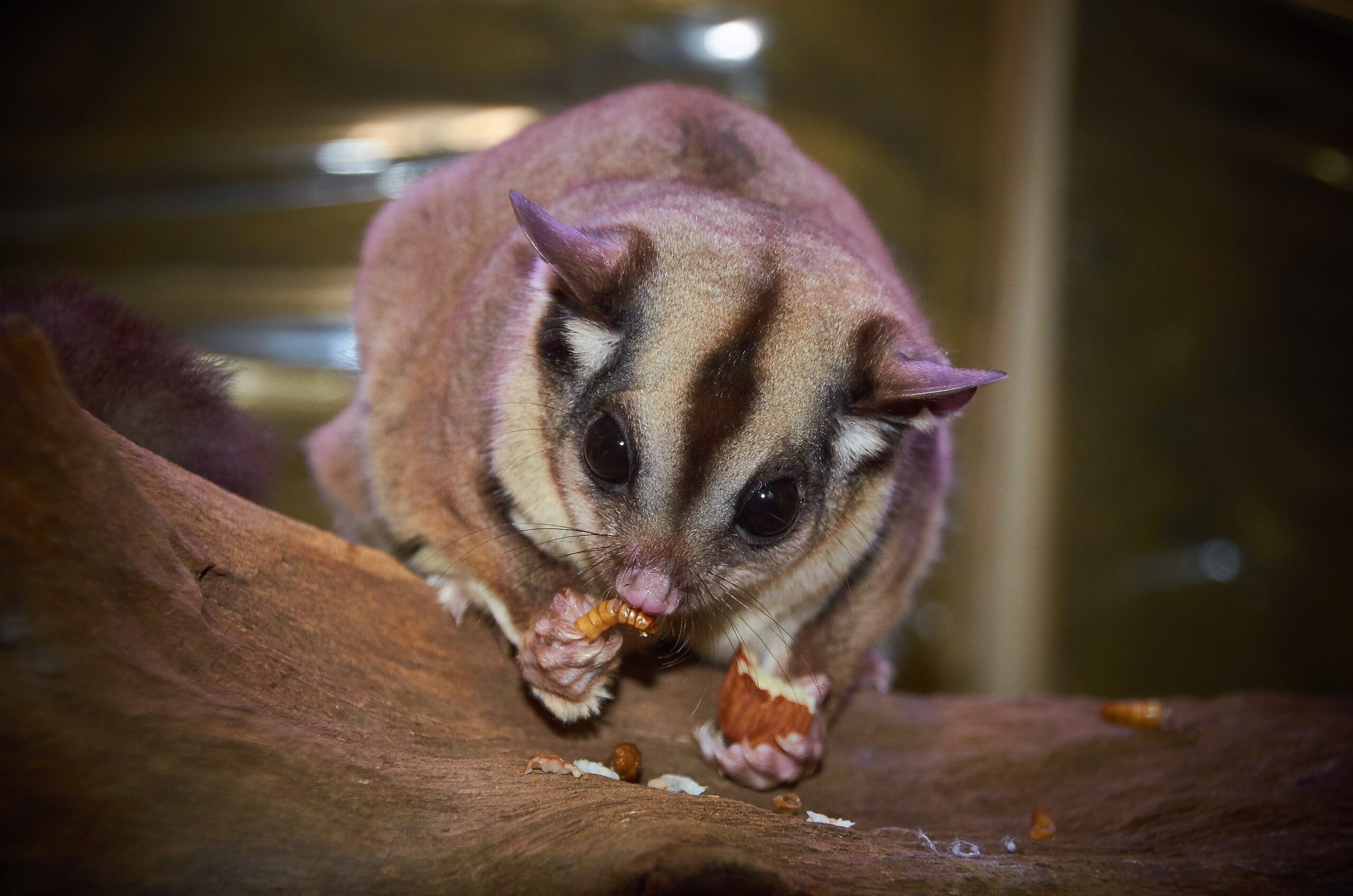
Ask an experienced exotic-animal vet for a balanced sugar glider diet.
1. Diet
Diet is the single biggest factor in sugar glider lifespan. Wild sugar gliders eat insects, nectar, tree sap and gum, which is hard to copy at home. Pet gliders need a balanced mix of protein, vegetables and some fruit. Too much fruit or sugary food, and too little calcium, can lead to serious problems such as weak bones and hind-leg weakness. Avoid giving chocolate, sweets or processed human food.
2. Companionship
Sugar gliders are highly social animals that live in family groups in the wild. They should always be kept with at least one other sugar glider. A lonely glider can become stressed and depressed, and may even start over-grooming or hurting itself. Daily attention from you helps, but it does not replace a glider companion.
3. A Safe, Spacious Cage
Sugar gliders are climbers and gliders, so they need a tall, roomy cage with narrow bar spacing, branches, ropes, a sleeping pouch and a solid-surface wheel. Never let them roam your home unsupervised — open water, ceiling fans, other pets and small gaps cause many accidents.
4. Temperature (Important in India)
Sugar gliders do not cope well with extremes. In Indian summers, keep the cage in a cool, shaded, well-ventilated room away from direct sunlight. In air-conditioned rooms, keep the cage away from cold drafts, and give them a warm pouch to sleep in. A chilled or overheated glider can fall sick quickly.
5. Regular Vet Check-Ups
Find an exotic-pet vet before you bring a sugar glider home, and plan a check-up at least once a year. Many problems, such as dental disease, infections and nutritional issues, are much easier to treat when caught early.
6. Low Stress and Gentle Handling
Sugar gliders are nocturnal, so they sleep during the day and are active at night. Waking them often, loud noise and rough handling all cause stress. Handle them gently, in the evening, and let them bond with you at their own pace. Less stress means a longer sugar glider lifespan.
Sugar Glider Life Stages
- Birth and pouch stage: pregnancy lasts only about 15–17 days. The tiny newborn joey then lives in its mother’s pouch for around 70–74 days.
- Young and adult years: the most active and playful stage, when a good diet and routine set up a long life.
- Senior years: as gliders age, they often become less active, may lose weight, develop dental problems or cloudy eyes, and their coat can become thinner and duller. Older gliders benefit from more frequent vet visits and softer foods — small changes that can add years to sugar glider lifespan.
Sugar Glider vs Hamster Lifespan
Many families in India compare sugar gliders with hamsters. The difference in commitment is huge:
| Pet | Typical lifespan | Social needs |
|---|---|---|
| Sugar glider | 10 – 14 years | Must live in pairs or groups |
| Hamster | About 2 – 3 years | Best kept alone |
A typical sugar glider lifespan of 10+ years makes it a long commitment, similar to a cat or small dog. If you want a smaller, shorter commitment, a hamster may suit your family better — see our hamster care guide for India and the Syrian vs Dwarf hamster comparison.
Signs Your Sugar Glider May Be Unwell
- Not eating or drinking, or sudden weight loss
- Sleeping much more than usual or being unusually quiet at night
- Weak or dragging back legs
- Diarrhoea, swellings, wounds or bald patches
- Crusty eyes or nose, or difficulty breathing
If you notice any of these, contact an exotic-pet vet as soon as possible, because early treatment protects sugar glider lifespan.
Before You Get a Sugar Glider in India
- Plan for 10–15 years of care, food and vet costs.
- Get at least two — sugar gliders should never live alone.
- Choose captive-bred gliders only, with clear records from a responsible Indian breeder.
- Check the current rules with your state forest department, as India’s rules on exotic animals require registration for some species.
- Find an exotic-pet vet near you before bringing them home.
Sugar Glider Age Chart: From Joey to Senior
Knowing the main stages helps you plan care at every point of your glider’s life. Ages for young sugar gliders are usually counted from the day the joey first comes out of the pouch, often written as “OOP” (out of pouch). The timings below are approximate and vary from glider to glider.
| Age | Stage | What to expect |
|---|---|---|
| 0 – about 10 weeks | In the pouch | The joey develops inside its mother’s pouch for around 70–74 days. |
| 0 – 2 weeks OOP | Newborn joey | Thin fur, eyes still closed; stays in the nest while the parents keep it warm. |
| 2 – 8 weeks OOP | Growing joey | Eyes open, starts exploring, begins tasting solid food alongside milk. |
| 8 – 12 weeks OOP | Weaning | Eats solid food and becomes independent; responsible breeders usually wait until this stage before rehoming. |
| 4 – 12 months | Young adult | Reaches maturity; males usually mature earlier than females. |
| 1 – 5 years | Prime adult | Most active and playful years; routines set now shape the rest of their life. |
| 5 – 7 years | Middle age | Usually still active, but regular weight checks and vet visits become more important. |
| 7+ years | Senior | Slower, sleeps more and may need softer food and extra warmth. |
If you are buying a sugar glider, ask the breeder for the joey’s OOP date. A glider taken from its parents too early is more likely to struggle with feeding and stress, which can shorten its life.
How to Tell How Old Your Sugar Glider Is
Once a sugar glider is fully grown, its exact age is difficult to tell, so records from the breeder are the most reliable guide. Without records, these signs give a rough idea:
- Size and fur: young gliders are smaller, with softer, finer fur and slightly clumsy gliding.
- Scent gland in males: mature males develop a small bald patch on top of the head. This is a normal scent gland, not a health problem, and shows the male is an adult.
- Teeth: older gliders may show worn or discoloured teeth.
- Coat: a thinner or duller coat is common in older gliders.
- Eyes: slight cloudiness can appear in senior gliders.
- Activity: seniors are slower, climb less and sleep longer.
If you adopt an adult glider of unknown age, a vet check-up can help estimate its age and spot any early health issues.
Common Health Problems That Shorten Sugar Glider Lifespan
Most early deaths in pet sugar gliders are linked to care problems that can be prevented. These are the issues exotic-pet vets see most often:
Calcium Deficiency and Hind-Leg Weakness
A diet low in calcium, or too high in fruit, can weaken the bones. Early signs include trembling, weakness or dragging of the back legs. It is serious but often treatable when caught early, so see a vet straight away if you notice these signs.
Obesity
Too many treats, nuts, mealworms or sugary fruit, combined with a small cage and little exercise, quickly lead to weight gain. Overweight gliders are more likely to develop other health problems. Weigh your glider regularly on a small kitchen scale and note any changes.
Dental Disease
Soft, sugary foods can cause tartar build-up and gum disease. Watch for drooling, bad breath or difficulty eating.
Stress and Self-Injury
Loneliness, boredom, a noisy room or frequent daytime disturbance can lead to over-grooming, fur loss or self-injury. Keeping gliders in pairs, giving them plenty of enrichment and keeping a calm routine are the best prevention.
Stomach Upsets and Infections
Diarrhoea can come from sudden diet changes, spoiled food, dirty water or infections. Wash food dishes daily, remove uneaten fresh food within a few hours and change water every day.
Accidents at Home
Ceiling fans, open water, gaps behind furniture, other pets and being stepped on cause many injuries. Always supervise out-of-cage time in a glider-proofed room.
Daily and Weekly Care Checklist for a Longer Life
Small habits, repeated every day, have the biggest effect on sugar glider lifespan:
- Every evening: serve fresh food, change water and remove leftovers from the night before.
- Every evening: spend quiet bonding time with your gliders, and check their eyes, nose, fur and movement.
- Every few days: wipe soiled areas of the cage and wash food bowls thoroughly.
- Every week: weigh each glider, wash pouches and fabric items, and rotate toys to prevent boredom.
- Every month: deep-clean the cage, check toys and wheels for damage, and review the diet.
- Every year: a full check-up with an exotic-pet vet, more often for senior gliders.
Keeping a simple notebook of weight, diet and behaviour makes it much easier for your vet to spot problems early.
Frequently Asked Questions About Sugar Glider Lifespan
How long do sugar gliders live in India?
With good care, a pet sugar glider in India can live 10 to 14 years, the same as anywhere else. Managing heat in summer and keeping them away from cold AC drafts is especially important in Indian homes.
Can a sugar glider live alone?
No. Sugar gliders are very social and should live with at least one other sugar glider. Loneliness causes stress and can shorten sugar glider lifespan.
What is the oldest a sugar glider has lived?
The oldest reported pet sugar glider lived to almost 18 years, although 10–14 years is a more typical sugar glider lifespan.
At what age is a sugar glider considered old?
Many sugar gliders start showing signs of ageing in the second half of their life, often from around 7 years onwards. Watch for reduced activity, weight loss and dental issues.
Does diet affect a sugar glider's lifespan?
Yes, diet is one of the most important factors. A balanced diet with enough protein and calcium, and limited sugary fruit, helps prevent many common health problems.
Do sugar gliders live longer than hamsters?
Yes, much longer. Sugar gliders usually live 10–14 years, while hamsters typically live only 2–3 years.
How can I tell how old my sugar glider is?
The most reliable way is the breeder’s records, including the out-of-pouch (OOP) date. In adults, size, coat condition, teeth, eye clarity and activity level give only a rough estimate. Mature males also develop a small bald scent gland on the head.
What shortens a sugar glider's life the most?
Poor diet, especially too little calcium and too much sugary food, is the most common cause of health problems. Loneliness, a small or unsafe cage, accidents at home and missed vet check-ups also shorten their life.
Written by the Pet Multiverse team — small and exotic pet keepers in Pune with 10+ years of hands-on experience. Have a question about sugar glider care? Contact us.