






Complete Hamster Care Guide for Beginners in India

<p>Bringing home a hamster is exciting — but are you truly prepared? This guide covers everything a first-time hamster owner in India needs to know, from choosing the right breed to setting up the perfect habitat.</p>
<h2>Choosing Your Hamster Breed</h2>
<p>The most common hamster breeds available in India are Syrian (Golden) hamsters and Roborovski dwarf hamsters. Syrians are larger, easier to handle, and better for beginners. Robos are tiny, fast, and best for experienced owners who enjoy watching rather than handling.</p>
<h2>Setting Up the Cage</h2>
<p>A minimum cage floor area of 40 x 70 cm is recommended for Syrian hamsters. Bigger is always better. Aquarium-style tanks with deep bedding work well in India’s climate as they hold bedding better and protect from AC drafts.</p>
<h2>Bedding Essentials</h2>
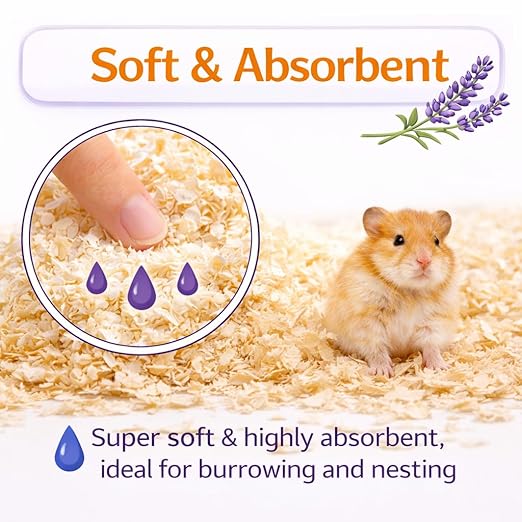
<p>Use at least 15–20 cm of safe bedding so your hamster can burrow naturally. Avoid cedar and pine shavings — they contain harmful oils. Paper-based bedding or hemp bedding is safest.</p>
<h2>Feeding Your Hamster</h2>
<p>A good hamster diet consists of a quality seed mix as the base, supplemented with fresh vegetables like cucumber, broccoli, and carrot (in small amounts). Avoid citrus fruits, onion, and anything sugary.</p>
<h2>Exercise Needs</h2>
<p>Hamsters can run up to 8–10 km per night in the wild. A silent spinner wheel of at least 28 cm diameter for Syrians (21 cm for dwarfs) is non-negotiable. Running on a wheel that is too small causes back problems.</p>
<p>Have questions about hamster care? Browse our hamster shop or contact us — we’re here to help!</p>