



What Do Hamsters Eat? Complete Safe Food & Diet Guide for Indian Owners 2026

What Do Hamsters Eat?
Complete Safe Food & Diet Guide for Indian Hamster Owners 2026
What do hamsters eat in India? This complete guide covers safe foods, dangerous foods, Indian kitchen items your hamster can and cannot eat, daily feeding amounts, and everything you need to keep your hamster healthy, active, and living a long life.
What Do Hamsters Eat? — The Basics First
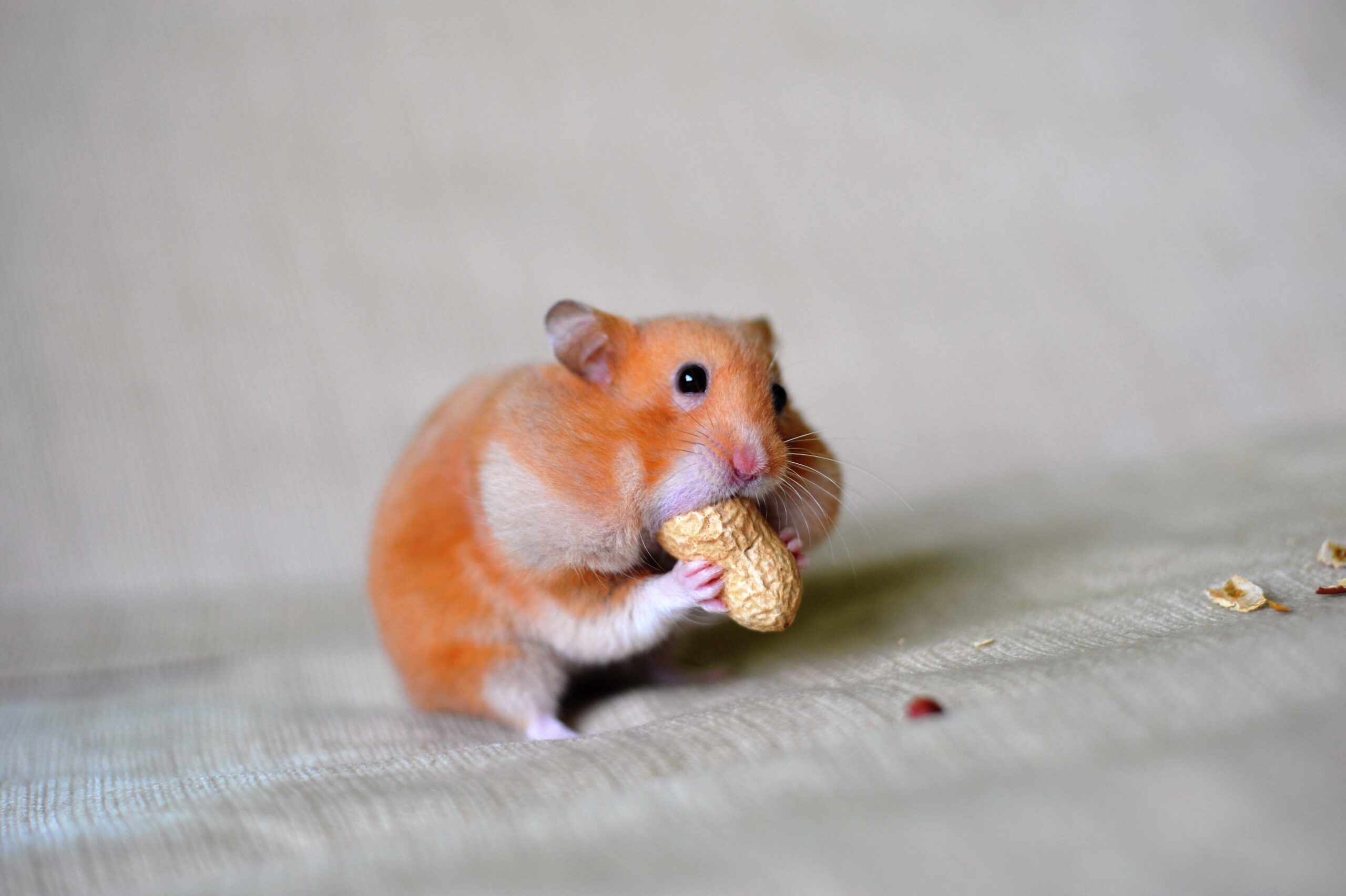
What do hamsters eat in the wild? Hamsters are omnivores — they eat seeds, grains, insects, and occasional plant matter. As pets in India, they need a balanced diet that mirrors this: a quality seed mix as the staple, fresh vegetables a few times a week, small amounts of protein, and occasional fruit treats. Getting this balance right is the single biggest factor in your hamster’s lifespan and energy levels.
1
Infobox subtitle text
Seed & Grain Mix
Forms 70–80% of the daily diet. Look for mixes containing whole grains, oats, barley, millet, and a small amount of sunflower seeds. Avoid mixes that are mostly sunflower seeds — they are high in fat and cause obesity.
Best brands in India: Versele-Laga Complete Hamster, Supreme Science Selective Hamster.
2
Infobox subtitle text
Fresh Vegetables
Offer 2–3 times per week, in portions no larger than your hamster's ear. Fresh vegetables provide hydration, vitamins, and variety that dry mixes cannot offer alone.
Safe options: Cucumber, broccoli, cooked carrot, spinach (small amount), bell pepper, zucchini, peas, kale.
3
Infobox subtitle text
Protein Sources
Offer protein 2–3 times per week. Hamsters in the wild eat insects for protein — in captivity, good alternatives are boiled egg (tiny piece), plain cooked chicken, dried mealworms, or plain cooked tofu.
Amount: Pea-sized portion only. Too much protein causes kidney issues.
Safe Indian Foods — What You Can Share from Your Kitchen
One of the most common questions Indian hamster owners ask: what do hamsters eat from Indian kitchen staples? Here is what is safe and what to avoid from your own home.
✅ Safe Indian Foods
Safe? | Quantity? | Notes |
|---|---|---|
Cucumber (kheera) | ✅ Yes | Excellent. High water content, great for hydration in Indian heat. |
Carrot (gajar) | ✅ Small amount | High in sugar. Give a tiny piece once or twice a week only. |
Apple (seb) | ✅ Yes (no seeds) | Seeds are toxic — always remove before giving. |
Plain cooked rice | ✅ Small amount | Plain, unsalted, cooled. A tiny portion as an occasional treat. |
Boiled egg (white) | ✅ Yes | Excellent protein source. Pea-sized piece, 2x per week maximum. |
Coriander (dhaniya) | ✅ Yes | Safe in small amounts. A leaf or two as a treat. |
Peas (matar) | ✅ Yes | Fresh or frozen and thawed. Great treat. Not canned (too much salt). |
Corn (makka) | ✅ Small amount | Fresh only. High in sugar — once a week only. |
❌ Dangerous Indian Foods — Never Feed
Items? | Safe? | Why Dangerous |
|---|---|---|
Onion (pyaaz) | ❌ Never | Toxic. Destroys red blood cells. Can be fatal even in small amounts. |
Garlic (lahsun) | ❌ Never | Toxic. Causes anemia and digestive damage. Absolutely avoid. |
Citrus fruits (nimbu, orange) | ❌ Never | High acid causes digestive irritation and pain. |
Grapes & raisins | ❌ Never | Kidney failure risk. Even a small piece can be dangerous. |
Spicy food (mirchi) | ❌ Never | Burns the digestive tract. No spices of any kind. |
Dal / lentils (raw) | ❌ Never (raw) | Raw lentils are toxic. Plain cooked dal in tiny amounts may be okay but avoid. |
Fried / oily food | ❌ Never | Causes obesity, liver damage. No pakoras, chips, or fried snacks ever. |
Bread / roti | ⚠️ Avoid | No nutritional value and may contain salt, yeast. Not recommended. |
⚠️ Emergency: If your hamster eats onion, garlic, or grapes — contact an exotic animal vet immediately. These are life-threatening for hamsters.
How Much Should a Hamster Eat Per Day?
Overfeeding is one of the most common mistakes Indian hamster owners make. Here is the correct daily feeding amount based on breed size.
1
Infobox subtitle text
Syrian Hamster
- Dry seed mix: 10g per day (1 tablespoon)
- Fresh veg: pea-sized piece, 2–3x per week
- Protein: pea-sized piece, 2–3x per week
- Scatter feed across bedding to encourage natural foraging
2
Infobox subtitle text
Dwarf & Campbell Hamster
- Dry seed mix: 5–8g per day (1 teaspoon)
- Fresh veg: smaller than pea-sized, 2x per week
- Protein: tiny pinch only, 2x per week
- Less is more — dwarf hamsters are prone to diabetes from overfeeding
3
Infobox subtitle text
Roborovski Hamster
- Dry seed mix: 5g per day (half teaspoon)
- Fresh veg: tiny amount, 2x per week
- Protein: pinch only, once a week
- Roborovskis are the smallest breed — their portions should match their size
Tip: Hamsters are hoarders — they will stuff food in their cheek pouches and hide it. Always scatter feed so they forage naturally. Check the cage for hidden rotting fresh food every 2 days.
Water — The Most Important Part of What Hamsters Eat
Fresh clean water must always be available. In India’s heat — especially during summer in Pune, Mumbai, and other cities — dehydration is a serious risk for hamsters. Change water every day without exception.
1
Infobox subtitle text
✅ Water Bottle (Recommended)
A sipper bottle attached to the cage bars is the best option. It keeps water clean, prevents contamination from bedding and food, and lets you monitor how much your hamster is drinking. Change water daily. Check the sipper tube isn't blocked — press it lightly to ensure water flows.
2
Infobox subtitle text
⚠️ Water Bowl (Not Ideal)
Open water bowls get contaminated with bedding, droppings, and food within hours — especially in India's warm climate where bacteria multiply quickly. If using a bowl, use a heavy ceramic one that cannot be tipped, and change water at least twice a day. A bottle is far better.
Seasonal Feeding Tips for Indian Hamster Owners
India’s climate affects what hamsters eat and how they eat it. Here is how to adjust feeding across seasons.
☀️
Infobox subtitle text
Summer (March–June)
- Increase fresh water changes to twice daily
- Offer cucumber and zucchini more frequently for hydration
- Reduce protein portions — digestion generates heat
- Remove fresh food after 4 hours to prevent spoiling
- Keep the cage away from windows and direct sunlight
🌧️
Infobox subtitle text
Monsoon (July–September)
- Remove fresh food after 2–3 hours — humidity causes rapid spoiling
- Check seed mix for mould every 2 days
- Avoid leafy greens that become soggy quickly
- Stick to harder vegetables like carrot and cucumber during peak humidity
- Clean the food bowl or scatter area more frequently
❄️
Infobox subtitle text
Winter (November–February)
- Hamsters may eat slightly more in cooler months — this is normal
- Offer a little extra protein during cold spells for warmth
- Warm vegetables slightly to room temperature before offering — never cold from the fridge
- Ensure water bottle sipper is not frozen (rare in India but possible in hill areas)
Recommended Products from Pet Multiverse
Everything your hamster needs, delivered across India. Free delivery . COD available.
- Hamster Water Bottle 80ml — leak-proof sipper tube, essential for clean hydration — Rs.229
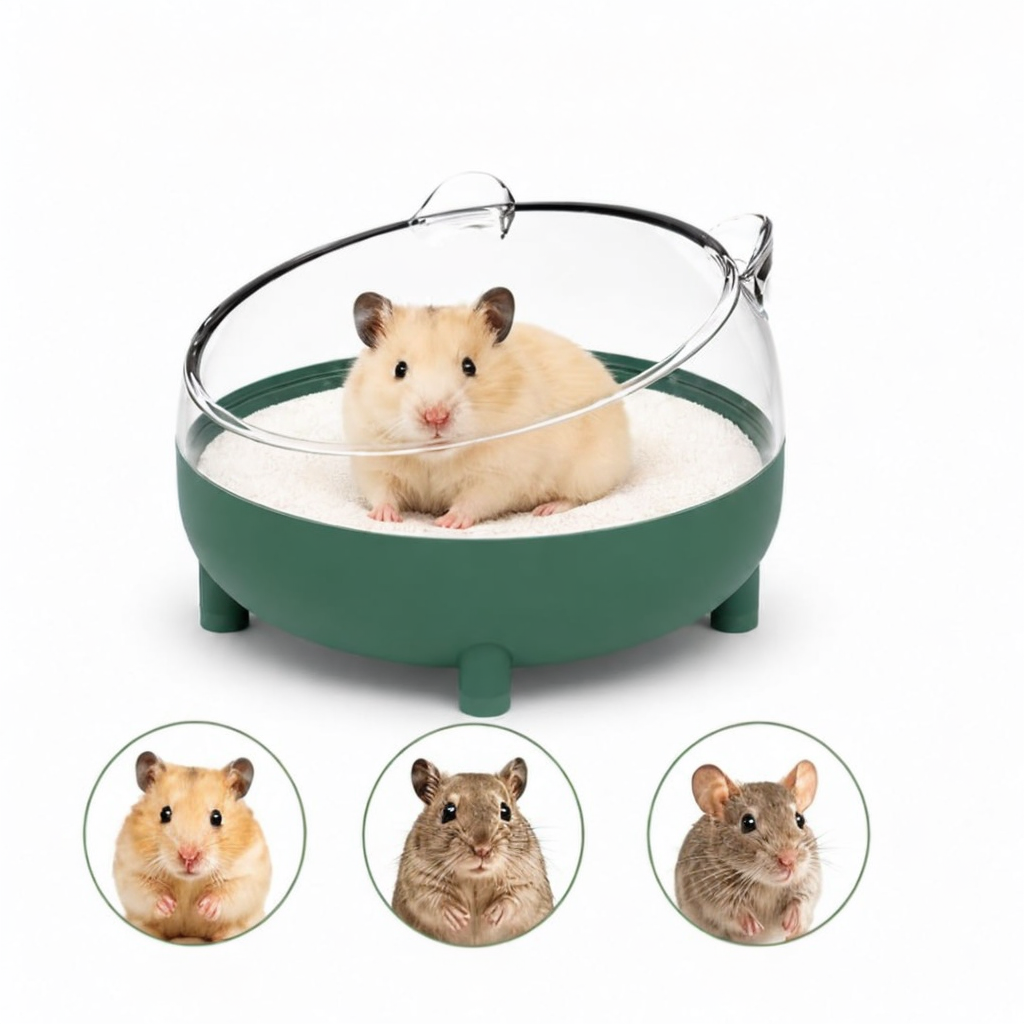
- Hamster Sand Bath Bowl with Cover — doubles as feeding station, spill-resistant — Rs.549
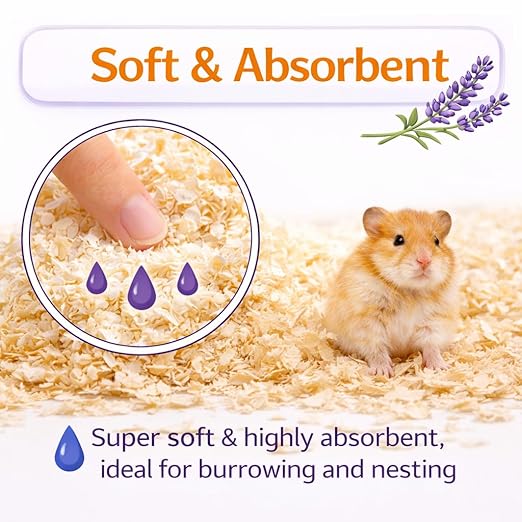
- Lavender Hamster Bedding 1kg — natural, absorbent, perfect for scatter feeding — Rs.500
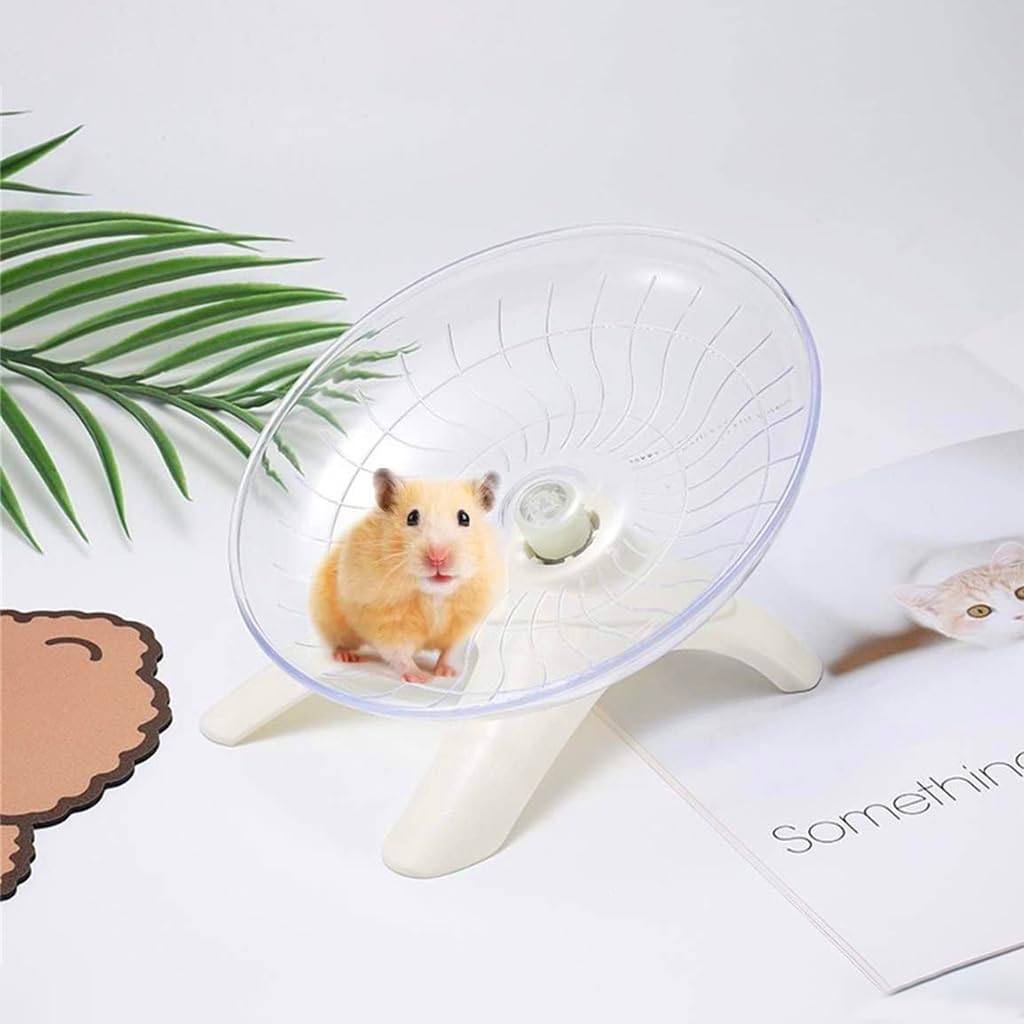
- Silent Hamster Exercise Wheel 18cm — exercise keeps appetite and digestion healthy — Rs.439
Frequently Asked Questions — What Do Hamsters Eat?
Q.1 What do hamsters eat as their main food?
- The main food is a quality dry seed and grain mix — this should form 70–80% of the diet. Look for mixes with oats, barley, millet, and a small percentage of seeds. Supplement with fresh vegetables 2–3 times per week and protein twice a week.
Q.2 Can hamsters eat rice in India?
- Yes — plain cooked white rice in a tiny amount (pea-sized) is safe as an occasional treat. It must be plain, unsalted, and cooled to room temperature. Do not give flavoured, spiced, or leftover rice.
Q.3 Can hamsters eat roti or chapati?
- It is best avoided. Roti contains salt and may contain oil. It also has no significant nutritional value for hamsters and can cause digestive issues. Stick to species-appropriate foods.
Q.4 What Indian fruits are safe for hamsters?
- Apple (no seeds), pear, papaya (small piece), mango (tiny amount, rarely), banana (tiny piece). Always give fruit sparingly — the sugar content is high and can cause diabetes especially in dwarf breeds.
Q.5 How often should I feed my hamster fresh food?
- Fresh vegetables 2–3 times per week. Protein (egg, chicken, mealworms) 2–3 times per week. Fruit once a week maximum. Dry seed mix every day. Always remove uneaten fresh food after 4 hours — in Indian summer reduce this to 2 hours.
Q.6 Can hamsters eat dal or lentils?
- Raw lentils are toxic to hamsters. Cooked plain dal in a very tiny amount is less dangerous but still not recommended — the seasoning used in Indian dal preparation makes it unsafe. Avoid entirely.
Q.7 My hamster is not eating — what should I do?
- First check if they are hoarding food in their bedding — hamsters often hide food and appear not to be eating. If there is genuinely no eating for 24+ hours combined with lethargy, contact an exotic animal vet immediately. Loss of appetite is often an early sign of illness.
Quick Reference: What Do Hamsters Eat?
- Dry seed mix daily (70–80% of diet)
- Fresh veg 2–3x per week
- Protein 2–3x per week
- Fruit once a week only
- Fresh water daily — bottle preferred
- No onion, garlic, or grapes — EVER
- No spicy, oily, or processed food
- No citrus fruits
- Remove fresh food after 4 hrs (2 hrs in summer)
Want to learn more about caring for your hamster in India?
Read our complete hamster price guide for India 2026 and our full hamster care guide for Indian owners. For accessories delivered across India, visit the Pet Multiverse hamster shop or message us on WhatsApp: +91 82372 52084.